When emergencies happen, they rarely announce themselves ahead of time.
A severe storm knocks out power. A wildfire forces an evacuation. A winter storm closes roads for days. In those moments, families don't have the luxury of sitting down and figuring out what to do next.
Think of an emergency plan like a map before a road trip. You may never need every route you've planned, but having directions before you leave prevents confusion when you encounter a detour. The same is true for emergencies. A simple preparedness plan helps your family respond calmly, confidently, and efficiently when normal routines are disrupted.
In this guide, we'll explore why having a family emergency preparedness plan matters, what it should include, and how even a basic plan can make a significant difference when every minute counts.
The Biggest Mistake Families Make During Emergencies
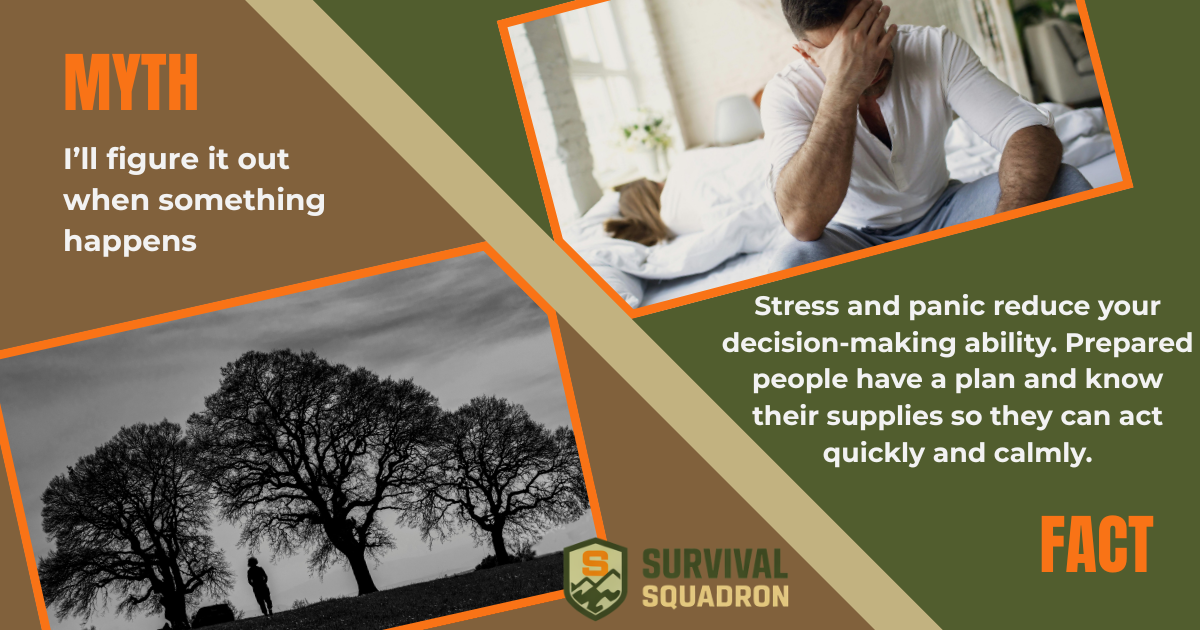
Most people assume they'll figure things out when the time comes.
It sounds reasonable – until stress enters the equation.
Research from emergency management organizations consistently shows that people under stress experience reduced decision-making ability and increased confusion. When an unexpected event occurs, even simple choices can feel overwhelming.
Without a plan, families often find themselves asking critical questions at the worst possible moment:
Where should we meet?
Who is responsible for the children?
What if phone service goes down?
Where are important documents?
What supplies do we have available?
The more decisions you leave for an emergency, the harder the situation becomes.
Practical Tip
Identify three basic emergency scenarios your family is most likely to face and discuss how you would respond to each one.
A Plan Reduces Panic and Creates Confidence
Here's something many preparedness experts agree on: preparedness isn't about eliminating risk – it's about reducing uncertainty.
When everyone knows their role, emergencies become more manageable.
Children know who to look for.
Parents know where supplies are stored.
Family members know where to meet if separated.
Instead of reacting emotionally, families can begin following a familiar process.
As leadership expert John C. Maxwell once said:
"Preparation positions you for success."
While emergencies are rarely ideal situations, preparation helps create order when circumstances feel chaotic.
Practical Tip
Practice your family emergency plan once or twice each year. Even a simple walkthrough can reveal gaps before they become problems.
Communication Can Fail When You Need It Most
Many families assume they'll simply call or text each other during an emergency.
Unfortunately, communication systems aren't always reliable during major events.
Natural disasters, power outages, and network congestion can disrupt normal communication channels. That's why every family should establish alternative ways to stay connected.
A preparedness plan should answer questions like:
Who is our primary emergency contact?
Do we have an out-of-state contact person?
Where do we meet if phones aren't working?
How will we communicate during an evacuation?
The Federal Emergency Management Agency (FEMA) recommends that families create and regularly review communication plans because communication challenges are among the most common issues during disasters.
Practical Tip
Print emergency contact information and place copies in emergency kits, vehicles, and wallets.
Knowing Where to Go Can Save Valuable Time
One of the most stressful aspects of an emergency is uncertainty about where to go.
If an evacuation becomes necessary, hesitation can cost valuable time.
Families should identify:
A meeting location near home
A secondary meeting location outside the neighborhood
Evacuation routes
Nearby shelters or safe locations
Alternative routes if roads are closed
When a plan already exists, decisions happen faster.
Think of it as creating a playbook. Professional athletes don't invent strategies during the championship game—they practice them beforehand.
The same principle applies to preparedness.
Practical Tip
Keep a printed map with marked evacuation routes in your vehicle and emergency kit.
Prepared Families Recover Faster
Preparedness isn't only about the emergency itself.
It's also about what happens afterward.
Families with plans often recover more quickly because they have already considered:
Important documents
Insurance information
Emergency savings
Medication needs
Temporary housing options
Pet care arrangements
When these details have been addressed ahead of time, families can focus on solving immediate problems rather than scrambling to locate critical information.
According to numerous disaster recovery studies, households that prepare in advance generally experience less disruption and recover more efficiently than those that do not.
Practical Tip
Store copies of identification, insurance policies, and medical information in a waterproof folder.
Emergency Planning Teaches Children Valuable Life Skills
Many parents avoid discussing emergencies because they don't want to scare their children.
In reality, age-appropriate preparedness conversations often have the opposite effect.
Children who understand the family plan tend to feel more secure because they know what to expect.
Preparedness teaches:
Responsibility
Problem-solving
Situational awareness
Confidence
Resilience
The goal isn't to burden children with adult concerns. It's to help them understand simple steps they can follow if something unexpected happens.
As author and educator Fred Rogers famously advised:
"Look for the helpers."
Preparedness helps children recognize who those helpers are and what role they can play.
Practical Tip
Create a simple emergency contact card for each child and review it together periodically.
The Best Time to Build a Plan Is Before You Need One
Many people postpone preparedness because they believe they'll have more time later.
But emergencies rarely happen on a convenient schedule.
The best emergency plan isn't necessarily the most detailed one—it's the one that actually exists.
Start simple:
Choose meeting locations
Create an emergency contact list
Identify evacuation routes
Build a basic emergency kit
Practice the plan together
You can always improve it over time.
Preparedness is a process, not a destination.
Practical Tip
Schedule a 30-minute family preparedness meeting this month. One conversation today can prevent significant confusion later.
Final Thoughts
An emergency preparedness plan is one of the simplest and most valuable investments a family can make.
It doesn't require expensive equipment, specialized training, or weeks of preparation. It simply requires taking a little time now so you're not forced to make critical decisions under pressure later.
The goal isn't to expect disaster around every corner. The goal is to build confidence, reduce uncertainty, and help your family navigate unexpected situations with a clear path forward.
Because when something happens, that's not the time to figure out the plan.
That's the time to follow one.